July 15, 2026Comments are off for this post.

The Science of Supplementation: A Guide to the Top 5 Evidence-Backed Supplements

Walk into any health food store or open any fitness influencer’s social media feed, and you will be confronted with wall-to-wall shelves and aggressive labeling. Glossy tubs promise rapid muscle gain, effortless fat loss, laser focus, and superhuman recovery.

Unfortunately, much of the supplement industry operates on a foundation of marketing hyperbole and biased, low-quality research. If you strip away the multi-million-dollar advertising campaigns, you are left with only a small, elite group of substances backed by rigorous, peer-reviewed clinical evidence.

In sports nutrition, clinical efficacy is evaluated by examining whether a substance consistently delivers a statistically significant advantage under controlled human trials. To separate science from marketing myth, we look to reviews and consensus statements published by peak governing bodies—such as the International Society of Sports Nutrition (ISSN) and the International Olympic Committee (IOC).

This comprehensive guide explores the Top 5 Most Evidence-Backed Supplements in Fitness, explaining exactly how they work, how to use them safely, and—critically—the precise exercise timing strategy required to maximize their physiological benefits.

1. Creatine Monohydrate

If there were a hall of fame for sports supplements, creatine monohydrate would sit comfortably at the very center. It is arguably the most extensively researched and clinically validated ergogenic aid in human history. Over a thousand peer-reviewed studies have evaluated its performance, cognitive, and health benefits, establishing its safety and efficacy beyond a shadow of a doubt.

The Physiology: How It Works

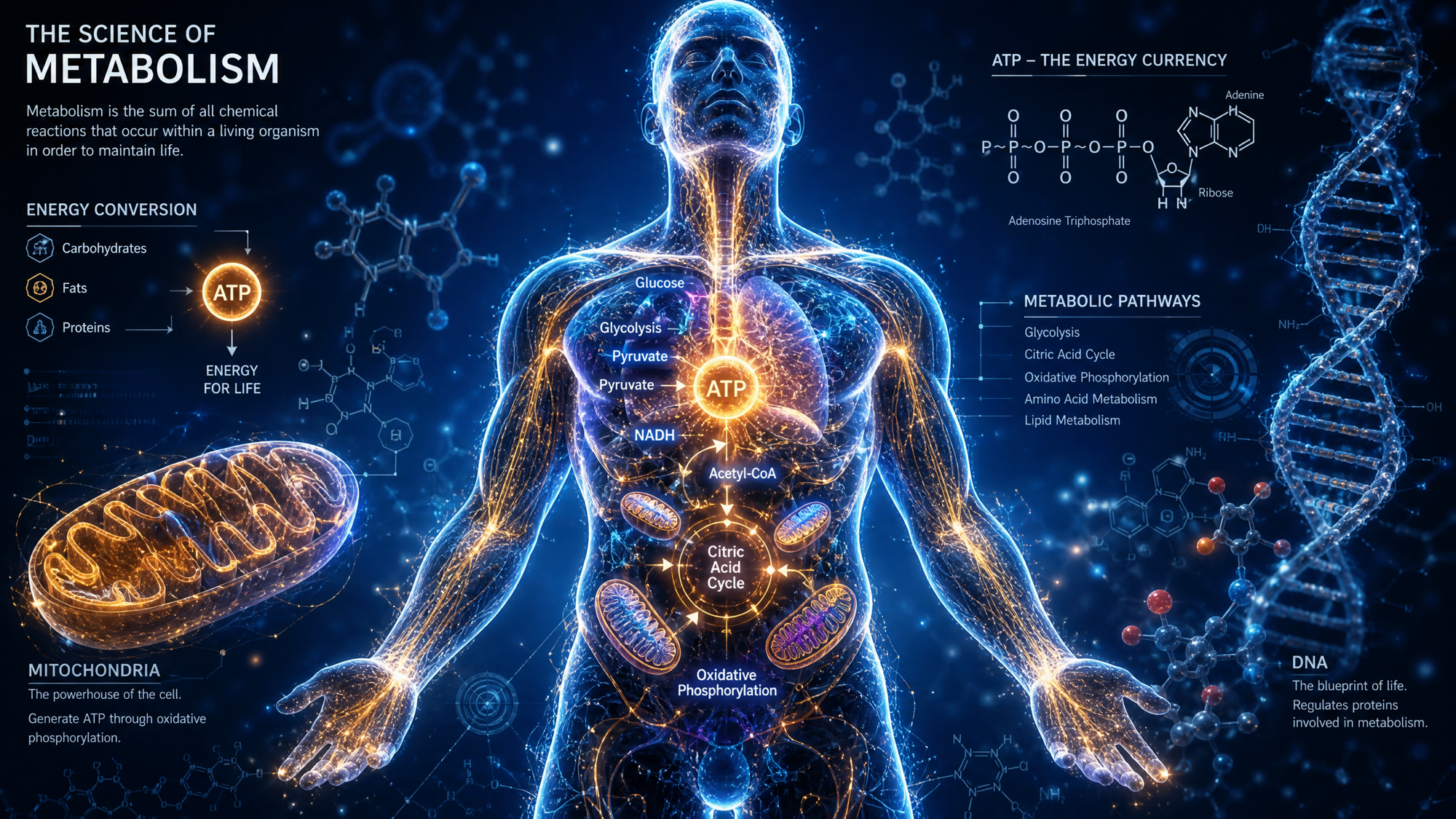
To understand creatine, we must look at how our cells produce energy. During short-duration, high-intensity exercise (such as a heavy set of squats or a 100-meter sprint), your body relies on the ATP-PC (Adenosine Triphosphate-Phosphocreatine) energy system.

ATP is your body’s immediate currency of energy. When a muscle contracts, it cleaves off a phosphate molecule from ATP, converting it into Adenosine Diphosphate (ADP), a depleted energy molecule. The muscle cannot use ADP for further contraction.

This is where creatine comes in. By supplementing with creatine, you increase your skeletal muscle stores of phosphocreatine. This surplus of phosphocreatine rapidly donates its phosphate group to ADP, instantly regenerating it back into active ATP.

This rapid regeneration allows you to perform at maximum power output for several seconds longer before fatigue sets in. Over time, this allows you to complete more reps and move heavier loads, generating a greater stimulus for muscle growth (hypertrophy).

Basic Guidelines on How to Use It

Creatine is incredibly simple to use. The industry standard forms are numerous (creatine HCL, buffered creatine, creatine ethyl ester), but study after study shows that plain, affordable Creatine Monohydrate is the most bioavailable, stable, and effective option.

There are two standard dosing protocols:

  • The Loading Protocol: Take 20g per day (split into four 5g doses) for 5 to 7 days to rapidly saturate your muscle stores, followed by a daily maintenance dose of 3 to 5g.
  • The Steady State Protocol: Skip the loading phase entirely and consume a flat 5g every single day. This method takes longer to saturate your muscle stores (approximately 3 to 4 weeks) but is much gentler on the digestive tract for individuals prone to stomach upset.

Fitness Timing Strategy: When to Take Creatine

  • Optimal Timing: Immediately Post-Workout (with minor flexibility).
  • Why? Because creatine works via cellular accumulation rather than an acute stimulant effect, the exact time of day you take it is not as critical as consistent, daily dosing. However, clinical studies indicate a slight advantage to taking creatine immediately post-workout. During the post-exercise window, increased blood flow to skeletal muscle and heightened insulin sensitivity (especially when consumed alongside carbohydrates and protein) can enhance cellular uptake and retention.

2. Caffeine

While millions of people rely on caffeine to jumpstart their mornings, it is also one of the most powerful and immediate ergogenic aids in existence. Whether your goal is sprinting, weightlifting, or endurance running, caffeine possesses a deep, clinically documented ability to boost human capability.

The Physiology: How It Works

Unlike creatine, which operates directly in the metabolic energy pathway, caffeine’s magic happens primarily in the central nervous system (CNS).

Throughout the day, a neurotransmitter called adenosine accumulates in your brain, binding to its receptors and inducing feelings of fatigue, relaxation, and sleepiness. Caffeine’s molecular structure is remarkably similar to adenosine. When consumed, it crosses the blood-brain barrier and binds to adenosine receptors, effectively blocking adenosine from doing its job.

This blockade prevents the onset of fatigue and triggers a cascade of stimulatory neurotransmitters, including dopamine and noradrenaline. Consequently, caffeine decreases your Rate of Perceived Exertion (RPE). In simpler terms, a heavy lift or an exhausting run actually feels easier to your brain, allowing you to push closer to your true physical limits. Furthermore, caffeine enhances calcium ion release within muscle fibers, directly improving raw muscular contractility.

Basic Guidelines on How to Use It

To maximize performance benefits, the clinically validated dosage is 3 to 6 mg of caffeine per kilogram of body weight (3\text{--}6\text{ mg/kg}). For a 75 kg (165 lbs) athlete, this equates to roughly 225 to 450 mg of caffeine.

However, individual tolerance varies wildly due to genetic differences in the CYP1A2 enzyme, which is responsible for metabolizing caffeine. If you are highly sensitive, start at the lower end (1.5\text{--}2\text{ mg/kg}) to avoid jitteriness, elevated heart rate, and gastrointestinal issues.

Fitness Timing Strategy: When to Take Caffeine

  • Optimal Timing: 45 to 60 Minutes Pre-Workout.
  • Why? Caffeine is absorbed rapidly through the gastrointestinal tract, but it takes roughly 45 to 60 minutes to reach peak concentration in the bloodstream. Because caffeine has a relatively long half-life (typically 3 to 7 hours depending on the individual), consuming it too close to bedtime can severely disrupt sleep quality, which ultimately hinders muscle recovery and performance. Avoid high-dose caffeine within 6 to 8 hours of your scheduled sleep.

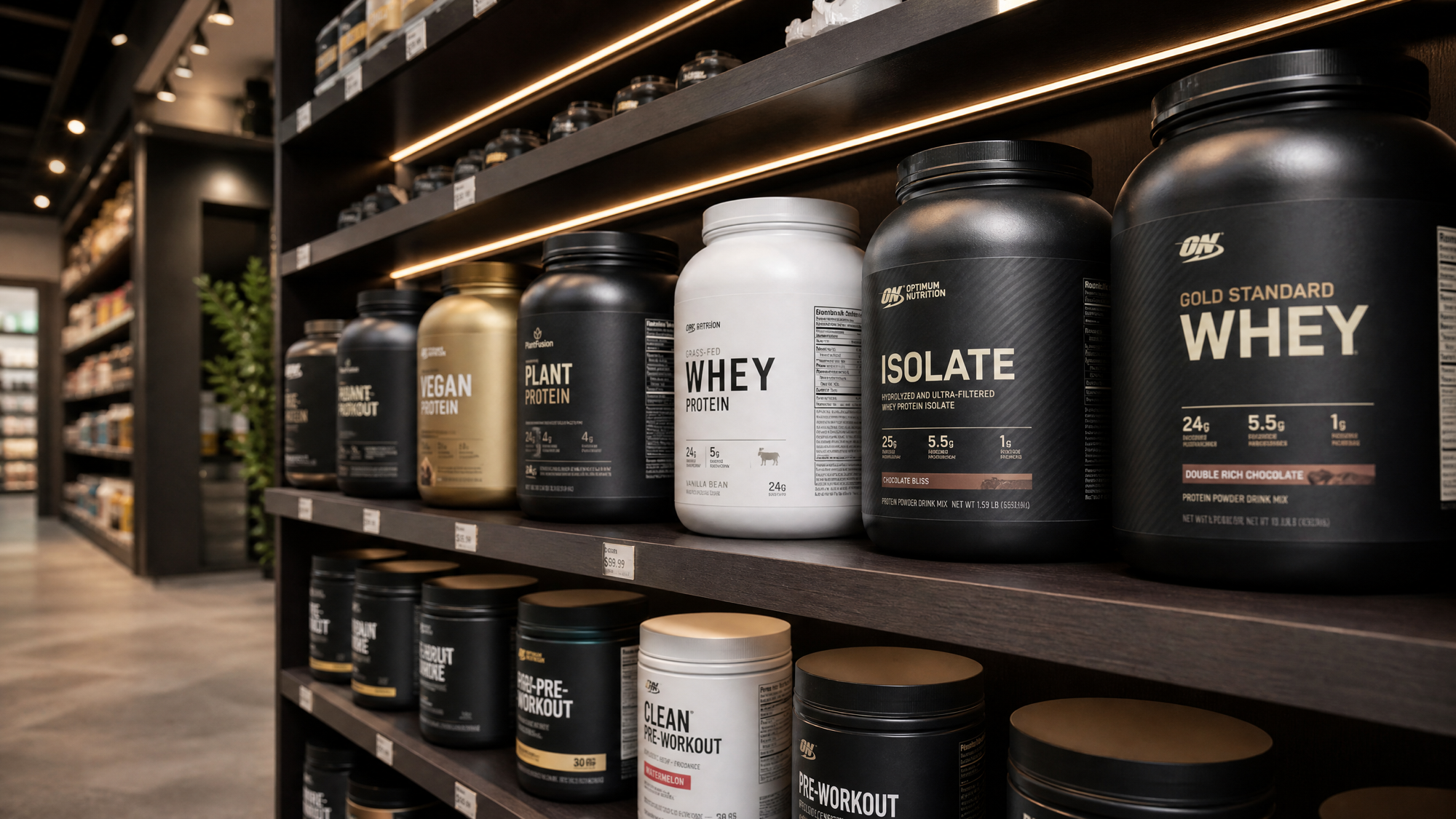
3. Protein Powder (Whey / Plant Isolates)

While technically categorized as a macronutrient food source rather than a pure chemical supplement, protein powders (specifically whey and high-quality plant-based blends like pea/rice isolate) are incredibly valuable tools for athletic progression.

The Physiology: How It Works

When you lift weights, you create microscopic tears in your muscle fibers. The body repairs and adapts to these tears through a process called Muscle Protein Synthesis (MPS). To trigger and sustain MPS, your body must have an abundant supply of the nine essential amino acids (EAAs), which it cannot manufacture itself.

Specifically, your body requires a high concentration of the amino acid leucine to act as a chemical key to turn on mTORC1, the primary master controller pathway for muscle growth. High-quality protein powders like whey isolate are rich in branched-chain amino acids (BCAAs)—and particularly leucine—making them exceptionally efficient at stimulating MPS compared to lower-quality, slower-digesting food sources.

Basic Guidelines on How to Use It

To optimize recovery and muscle growth, a general recommendation is to consume between 1.6 to 2.2 grams of protein per kilogram of body weight daily (1.6\text{--}2.2\text{ g/kg/day}).

Using protein powder is an incredibly efficient, cost-effective, and low-calorie way to hit this daily target. Single servings should ideally contain 20 to 40 grams of protein, which provides a sufficient quantity of leucine (typically 2 to 3 grams) to maximize the MPS signal—often referred to as reaching the "leucine trigger."

Fitness Timing Strategy: When to Take Protein

  • Optimal Timing: Flexible, but ideally spaced every 3 to 5 hours.
  • Why? The classic "30-minute anabolic window" myth has been largely debunked; the total daily protein intake is far more important for long-term growth than exact post-workout timing. However, for maximum biological efficiency, it is ideal to consume a protein serving within 1 to 2 hours post-exercise. Spacing your protein intake evenly throughout the day (rather than eating it all in one large meal) keeps muscle protein synthesis elevated.

4. Beta-Alanine

If you have ever taken a pre-workout supplement and felt a strange, tingling sensation on your skin, you have experienced beta-alanine. Behind this eccentric side effect lies a highly effective amino acid that plays a vital role in preventing muscular fatigue.

The Physiology: How It Works

When you perform intense, lactic-acid-producing exercise lasting between 1 and 4 minutes (such as high-rep weight training, rowing, or running a 400m-to-800m sprint), your body breaks down glucose rapidly for energy. This anaerobic process produces hydrogen ions (H^+).

As these hydrogen ions accumulate in your skeletal muscles, they lower the intramuscular pH, making the environment highly acidic. This acid build-up is the exact cause of the muscular "burn" you feel during intense efforts. High acidity interferes with muscle contraction and inhibits energy production, forcing you to slow down or stop.

Beta-alanine is the rate-limiting precursor to carnosine, a natural dipeptide found in muscle tissue that acts as a highly efficient acid buffer. By supplementing with beta-alanine, you increase your muscle's carnosine concentration, giving your body a vastly superior buffer to neutralize those fatiguing hydrogen ions, extending your time to exhaustion.

Basic Guidelines on How to Use It

To successfully elevate muscular carnosine levels, you need to supplement with 3.2 to 6.4 grams of beta-alanine daily.

The notable side effect of beta-alanine is paresthesia—a harmless, transient tingling sensation on the skin. If you find this sensation uncomfortable, simply split your daily dose into smaller portions (e.g., four doses of 1.6\text{g} taken throughout the day) or use a sustained-release formula.

Fitness Timing Strategy: When to Take Beta-Alanine

  • Optimal Timing: Daily Consistency (Anytime) over Pre-Workout timing.
  • Why? Similar to creatine, beta-alanine is an accumulation-based supplement. While many supplement companies market it as a pre-workout stimulant, it has no acute stimulant effect. What matters is taking it consistently every day to slowly build up muscle carnosine stores over a 2 to 4-week period. You can take it at any time of day that fits your routine.

5. Dietary Nitrates (Beetroot Juice / Extract)

Dietary nitrates, commonly sourced from beetroot juice, have emerged as a powerhouse supplement in both aerobic endurance and high-intensity resistance training.

The Physiology: How It Works

When you consume dietary nitrates (NO_3^-), bacteria in your mouth reduce them to nitrites (NO_2^-), which are then converted into Nitric Oxide (NO) in the acidic environment of the stomach and blood vessels.

Nitric oxide is a potent vasodilator. It relaxes the smooth muscle walls of your blood vessels, widening them. This vasodilation increases blood flow throughout the body, allowing for more efficient delivery of oxygen and nutrients to active muscle tissues, while speeding up the removal of metabolic waste products like lactate and carbon dioxide.

Additionally, clinical studies have shown that nitrates actually improve the efficiency of your mitochondria (the powerhouse of the cell), allowing them to produce more ATP per unit of oxygen consumed. This means you can perform the exact same physical workload while using less oxygen.

Basic Guidelines on How to Use It

To achieve performance benefits, you should consume between 300 to 600 mg of dietary nitrate. This is most commonly achieved by drinking 70 to 140 ml of concentrated beetroot juice shot (such as Beet It) or using concentrated beetroot powders.

Crucial Note: Because the conversion of nitrate to nitrite relies heavily on the healthy bacteria in your mouth, you should avoid using antibacterial mouthwash or chewing gum immediately after consuming nitrates, as this can destroy the bacteria needed to activate the supplement.

Fitness Timing Strategy: When to Take Nitrates

  • Optimal Timing: 2 to 3 Hours Pre-Workout.
  • Why? The biological pathway of converting nitrate into nitric oxide is a slow, multi-stage process. Blood levels of nitrite peak roughly 2 to 3 hours after ingestion. Therefore, to ensure maximum vasodilation and mitochondrial efficiency during your workout, consume your beetroot juice or nitrate supplement approximately 120 to 180 minutes before you begin exercising.

Conclusion: Build the Foundation First

While these five supplements are clinically proven, it is vital to keep their role in perspective. In sports science, supplements represent the "final 5%" of your progress. They are designed to supplement a healthy lifestyle—not replace it.

No amount of creatine or caffeine can make up for a poor diet, inadequate sleep, or inconsistent training. However, once you have established a solid foundation of progressive resistance training, a nutritionally rich diet, and 7 to 9 hours of quality sleep, utilizing these five highly evidence-backed tools will give you the precise biological edge needed to take your physical capabilities to the next level.

June 6, 2026Comments are off for this post.

Your Foundations of Better Nutrition: Moving Beyond Fads to Build Lasting Strength

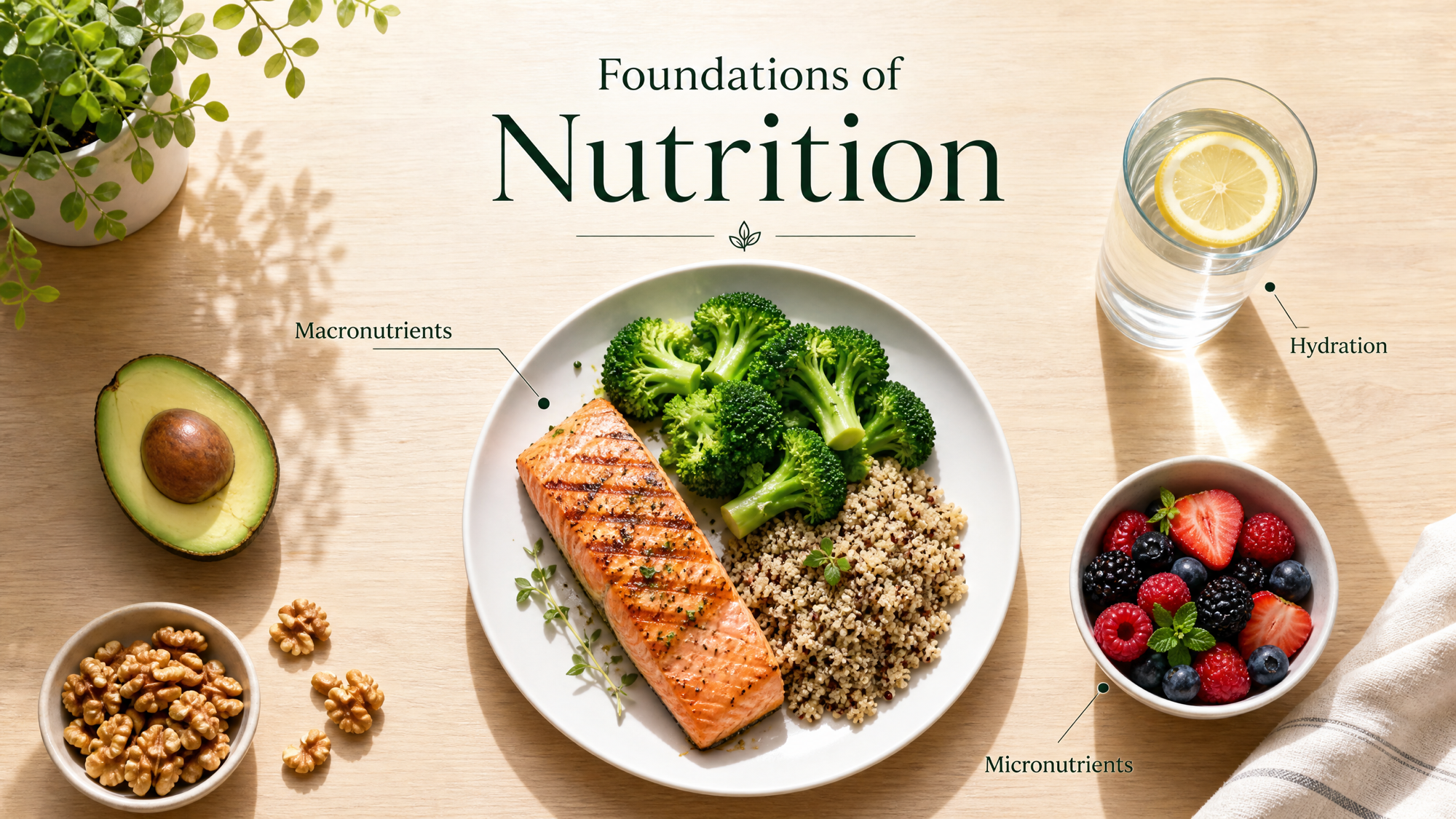
Stop falling for extreme diet trends and restrictive fads that leave you exhausted and frustrated. Exceptional health, sustainable fat loss, and peak athletic performance are built on a bedrock of predictable, evidence-based science, not dietary elimination. In this comprehensive guide, we strip away the marketing noise to break down the true foundations of nutrition: energy balance, macronutrient optimization, and the critical role of hydration. Discover how to fuel your body for real-world strength, build a healthy relationship with food, and implement an immediate 5-step framework to transform your nutrition today.

Read more

June 6, 2026Comments are off for this post.

The Science of The 10,000 Steps: Why Walking is the Ultimate Biological Hack for Health and Fat Loss

Think 10,000 steps is a scientific gold standard? Think again. Discover the surprising marketing gimmick behind the world's favorite fitness metric, the actual "sweet spot" step count backed by modern research, and the fascinating cellular science that turns a simple daily stroll into the ultimate biological hack.

Read more

May 19, 2026No Comments

The Non-Negotiable Trinity: Why Progressive Overload, Metabolic Conditioning, and Aerobic Development are the Foundation of Capability

Look around the modern fitness landscape, and you will see an industry dominated by two opposing, yet equally flawed, extremes.

On one side, you have the spectacle of "intensity without intent" workouts designed to leave you in a puddle of sweat on the floor, chasing a transient feeling of exhaustion rather than a measurable physiological adaptation. On the other side, you find the hyper-specialized siloes: the powerlifter who gets winded walking up a flight of stairs, or the endurance athlete whose joints are actively degrading due to a complete lack of structural strength.

At Virtuous, we reject both approaches. We do not train for temporary aesthetics, nor do we train to survive random, unprogrammed torture sessions. We operate on a singular, uncompromising philosophy...

We build strong and capable humans… for life.

To achieve true capability the kind that allows you to sprint after your kids, dominate a weekend softball game, carry heavy loads without throwing out your back, and maintain a high quality of life into your eighties... your training must be anchored by evidence based science and structured intent.

True physical capability is not accidental. It is engineered through three distinct, non-negotiable physiological pillars: Progressive Overload Strength Training, Metabolic Conditioning, and Aerobic Development.

This is our Trinity of Capability. If you compromise on even one, your fitness is a house of cards. When integrated with precision, they form an unbreakable foundation for long-term health, performance, and resilience.

1. Progressive Overload Strength Training: Strong is the Foundation

There is a fundamental truth in human physiology that cannot be bypassed: strong is the foundation of capable. You cannot build a durable, high-performing human engine on a weak chassis. Every physical task you perform from a max-effort deadlift to running a 5K, to simply picking up a heavy piece of luggage requires force production.

Strength training is the cornerstone of the Virtuous Method because muscle mass and bone mineral density are our ultimate biological insurance policies against aging. However, we do not build strength through random exercises or social media trends. We build it through the relentless application of Progressive Overload.

Muscle That Matters and Joint Resilience

Progressive overload is the systematic increase of mechanical tension over time. It means that if you squat 200 pounds for five repetitions today, you must eventually force the neuromuscular system to adapt to 205 pounds, or perform six repetitions at the same weight. This mechanical tension triggers muscle protein synthesis and myofibrillar hypertrophy building "muscle that matters."

This turns into functional tissue that optimizes your metabolic rate, improves insulin sensitivity, and provides structural protection for your skeleton.

> The Overload Equation: Increased Mechanical Tension + Consistent Progression = Increased Muscle Density & Joint Durability.

Furthermore, progressive strength training builds joint resilience. When you subject your body to controlled, heavy loads, your tendons, ligaments, and bones undergo cellular remodeling. Collagen strands become denser, and bone mineral density increases via Wolff’s Law. This structural durability prevents the chronic aches and degenerative joint issues that plague the average aging adult.

The Fusion: Functional Bodybuilding Meets Powerlifting

Our programming methodology fuses the raw, systemic force production of Powerlifting with the structural balance and hypertrophy principles of Functional Bodybuilding.

We anchor our training sessions around the major compound patterns that transfer directly to real-world capability:

  • Squatting: Building bilateral lower-body power and hip/knee health.
  • Hinging: Developing the posterior chain (glutes, hamstrings, and lower back) via deadlifts and cleans the ultimate antidote to a sedentary lifestyle.
  • Pressing & Pulling: Building a robust upper body through overhead presses, bench presses, pull-ups, and heavy rows.

By pairing heavy compound lifts with unilateral variations (like lunges and single-arm presses) and tempo variations, we eliminate asymmetry, protect your joints, and ensure your strength is entirely useful outside the walls of the gym.

2. Metabolic Conditioning: Calculated Intensity for Real Resilience

If strength training builds the chassis of the vehicle, Metabolic Conditioning (MetCon) is what teaches you how to drive that vehicle fast, efficiently, and under pressure.

In a world obsessed with quick fixes, metabolic conditioning has unfortunately been bastardized into "sweat for the sake of sweating." Let us be entirely clear: excessive fatigue is not a badge of honor. It is a sign of poor programming. At Virtuous, our conditioning has strict boundaries, distinct energy-system targets, and a clear, evidence-based purpose: to harness calculated intensity for real resilience.

Intensity with Intent

We do not program random acts of variety. We program mixed-modal, high-intensity intervals with a specific work-to-rest ratio designed to train your glycolytic and phosphagen energy pathways. This approach expands your anaerobic threshold, meaning you can perform at a high percentage of your maximum capacity for longer periods without hitting a metabolic wall.

The physiological adaptation we are chasing here is increased work capacity the ability to perform more physical work in less time, and to recover rapidly between bouts of intense exertion.

The Power of Peak Output

There is an undeniable physiological power to properly structured intensity. When you are performing a challenging interval circuit involving kettlebell swings, box jumps, and functional carries, you teach your central nervous system to recruit high-threshold motor units rapidly under fatigue.

By safely navigating these high-heart-rate zones under strict coaching supervision, you develop a profound sense of pacing and stress tolerance. This neural conditioning directly transfers to your everyday life, allowing you to remain calm, focused, and capable under high-stress professional or personal circumstances.

Our conditioning workouts are fully scalable, ensuring that whether you are a 25 year old former collegiate athlete or a 42 year old executive, you receive the exact stimulus required to benefit from high intensity without compromising your recovery.

3. Aerobic Development: The Engine of Longevity and Performance

High-intensity training often gets all the glory in modern media, but it possesses a critical bottleneck: it cannot be sustained without a powerful aerobic base. Aerobic Development is the third, often neglected, pillar of our philosophy. It is the literal engine of your longevity, daily energy, and systemic recovery.

Many people view low-intensity, steady-state cardiovascular work as boring or unnecessary. This is a massive physiological misunderstanding. Your aerobic system (Zone 2 cardio) is the fundamental generator of cellular energy (ATP) via mitochondrial respiration.

Mitochondria, Stroke Volume, and Recovery

When you engage in dedicated aerobic development such as sustained rowing, running, biking, or extended aerobic intervals you induce critical adaptations in your cardiovascular and cellular architecture:

  1. Mitochondrial Biogenesis: You increase the size and number of mitochondria within your muscle cells, making your body highly efficient at oxidizing fats for fuel.
  2. Increased Stroke Volume: Your heart’s left ventricle undergoes eccentric hypertrophy, allowing it to pump more blood with each beat. This lowers your resting heart rate and reduces the chronic strain on your cardiovascular system.
  3. Accelerated Recovery: The aerobic system is what clears metabolic waste products and replenishes your ATP stores during the rest periods of your heavy strength training and high-intensity MetCons.
Training AttributeAerobic Base (Zone 2)Metabolic Conditioning (High Intensity)
Primary Fuel SourceFatty Acids (Lipids)Carbohydrates (Glycogen)
Cardiac AdaptationIncreased Stroke Volume (Eccentric)Increased Wall Thickness (Concentric)
Recovery FootprintLow (Parasympathetic Support)High (Sympathetic Nervous System Demand)
Primary BenefitSustained Output & LongevityPeak Power & Glycolytic Capacity

By dedicating structured time to building this engine, you ensure that you aren't just fit for the next five minutes—you are building a cardiovascular system that will support consistent, vigorous training for decades to come.

Conclusion: The Virtuous Method

True physical capability cannot be achieved by picking and choosing your favorite elements of fitness while ignoring the rest. The powerlifter who ignores cardio compromises their longevity; the runner who ignores strength compromises their structural integrity; the fitness enthusiast who ignores structure compromises their progress.

When you integrate Progressive Overload, Metabolic Conditioning, and Aerobic Development into a single, cohesive ecosystem, you experience The Virtuous Method.

  • Strength provides the structural framework and real-world power.
  • Endurance provides the unyielding aerobic engine and cellular recovery.
  • Intensity provides the high-performance drive and high-threshold work capacity to face any challenge.

This is how we create humans who are Athletic in their performance, Aesthetic in their composition, and Long-lasting in their health span. We do not train for the short-term spectacle or the temporary trend. We train because your family, your career, and your life demand a body that can show up and perform day after day, year after year.

If you are tired of playing guessing games, constantly feeling overwhelmed, and failing in your fitness, nutrition, and health goals we are happy to help.

Our Custom Programs and Coaching help our clients to achieve a body they are confident in while still becoming more strong and capable.

With us you can finally get the expert guidance and accountability you have always needed!

Click here to apply for Coaching and get started on your journey to finally hit your goals today!

May 17, 2026No Comments

Are Energy Drinks Unhealthy? The Truth About Caffeine, Ingredients, and Side Effects

Walk into any convenience store or supermarket, and you are immediately confronted by a towering wall of brightly colored aluminum cans. Boasting names that evoke explosive force, scientific breakthrough, or extreme performance, energy drinks have officially transitioned from a niche subculture of athletes and gamers into a multi-billion-dollar global phenomenon. They are now an everyday routine for millions of working adults and students looking to conquer the daily grind.

But beneath the flashy branding and promises of heightened cognitive focus lies a complex cocktail of stimulants, synthetic additives, and heavily processed sugars. While they do exactly what they promise—shaking awake a tired brain and providing a fast physical jolt—the biological trade-offs are significant.

Are energy drinks safely engineered productivity tools, or are they a modern public health hazard packaged in an appealing 16-ounce can? To answer that, we must peel back the label and look at the exact science of what we are drinking, rank the market’s heavy hitters, and map out how to navigate this liquid minefield.

What is an Energy Drink?

At its core, an energy drink is a non-alcoholic functional beverage specifically formulated to provide mental and physical stimulation. Unlike sports drinks (such as Gatorade or Powerade), which are designed to replenish fluids and electrolytes lost during intense sweat sessions, energy drinks are strictly performance enhancers designed to temporarily ward off fatigue.

The modern energy drink landscape is divided into two major eras:

  • The Legacy Era: Pioneered by brands like Red Bull, Monster, and Rockstar in the late 1990s and early 2000s, these drinks traditionally leaned into a formula of high sugar, high caffeine, and aggressive, counter-culture marketing.
  • The Fitness and Performance Era: Driven by newer companies like Celsius, Ghost, and Alani Nu, this generation markets itself as "clean" fitness fuels or cognitive enhancers. They are usually completely sugar-free and packed with vitamins, fat burners, or focus-enhancing chemical compounds.

Regardless of whether a can features edgy graphics or clean, minimalist wellness branding, they all share a singular goal: introducing a massive spike of stimulants directly into your central nervous system.

Deconstructing the Liquid: What Ingredients Are in Energy Drinks?

Flip any energy drink around to read the ingredient panel, and you will find an intimidating block of text. While every company guards their "proprietary blends" fiercely, almost all energy drinks rely on the same core group of building blocks to force your body into an alert state.

1. Caffeine (The Core Driver)

Caffeine is the undisputed engine of the energy drink. It functions as a central nervous system stimulant by chemically binding to your brain’s adenosine receptors. Adenosine is the natural compound that builds up in your brain throughout the day, signaling to your body that it is tired. By blocking these receptors, caffeine tricks your brain into thinking it is completely rested. Energy drinks utilize both synthetic caffeine (cheap and fast-acting) and natural caffeine derived from green tea or coffee beans.

2. Massive Doses of Sugar (or Artificial Sweeteners)

In traditional energy drinks, sugar acts as a secondary fuel source. It provides a fast caloric burst that works in tandem with caffeine. However, because modern consumers are increasingly wary of metabolic issues, many brands have swapped sucrose and high-fructose corn syrup for intense artificial sweeteners like sucraloseand acesulfame potassium (Ace-K).

3. Taurine

Taurine is an amino acid that naturally occurs in the human body, particularly in the brain, heart, and skeletal muscles. It plays a key role in neurological development and regulating water and mineral levels in the blood. In energy drinks, it is included because some early research suggests it supports athletic endurance and, paradoxically, acts as a mild nervous system calmer to take the jittery edge off the massive doses of caffeine.

4. Guarana Extract

Guarana is a plant native to the Amazon basin, and its seeds contain about four times the concentration of caffeine found in coffee beans. This is a critical ingredient to watch: when a company lists guarana extract on the label, they are adding an extra layer of unquantified caffeine into the beverage that might not be fully accounted for in the primary caffeine total.

5. B-Vitamin Complexes

Energy drinks are regularly fortified with jaw-dropping percentages of B-vitamins—specifically Vitamin B6 (pyridoxine) and Vitamin B12 (cobalamin). It is incredibly common to see a label boasting 100% to 500% of your daily recommended intake. While B-vitamins are vital for converting food into cellular energy, consuming them via a beverage doesn't grant bonus energy; if your body already has enough B-vitamins, it simply filters the excess out through your urine.

6. Amino Acids and Nootropics

The newest wave of drinks includes compounds like L-Carnitine (which helps transport fatty acids into cells to be burned for energy), BCAAs (branched-chain amino acids for muscle recovery), and nootropics like Alpha-GPC or L-Theanine, which are designed to enhance memory, focus, and executive cognitive functioning.

What Are the Health Risks of Energy Drinks

Because energy drinks bypass the natural, slower digestion process of a warm beverage like coffee or tea, they hit your bloodstream with intense speed. Consuming them regularly or in large volumes introduces a clear set of physiological risks.

Cardiovascular Strain

The most immediate and critical risk associated with energy drinks lands directly on the heart. The heavy combination of caffeine and secondary stimulants like guarana forces the heart muscle to contract harder and faster. This elevates blood pressure and can trigger arrhythmias (irregular heartbeats), palpitations, and in severe cases, sudden cardiac events. This is especially true for young adults who may have underlying, undiagnosed structural heart conditions.

The Insulin Crash and Metabolic Harm

For versions that are not sugar-free, the sheer volume of sugar is hazardous. A single 16-ounce classic energy drink can dump up to 60 grams of pure sugar into your digestive tract. This forces the pancreas to pump out massive amounts of insulin to clear the glucose from your blood. The result is a sharp, aggressive energy crash within 90 minutes, accompanied by long-term risks of developing insulin resistance, type 2 diabetes, and visceral fat accumulation.

Central Nervous System Overdrive

Because energy drinks are consumed cold and fast, the rapid onset of 200 mg or more of caffeine can completely overwhelm your central nervous system. This manifests as acute anxiety, muscle tremors, irritability, and panic attacks. Furthermore, consuming these beverages past midday severely disrupts your circadian rhythm, reducing deep REM sleep and locking you into a vicious cycle where you need another energy drink the next morning just to function.

Kidney and Liver Taxing

Filtering out high concentrations of synthetic vitamins, artificial dyes (like Red 40 or Yellow 5), and chemical preservatives puts a chronic processing burden on your liver and kidneys. Furthermore, caffeine is a natural diuretic; if you are using energy drinks to power through a hot workout or a grueling shift without drinking adequate water, you are setting the stage for chronic dehydration and potential kidney stones.

Popular Energy Drinks Ranked by Caffeine Content

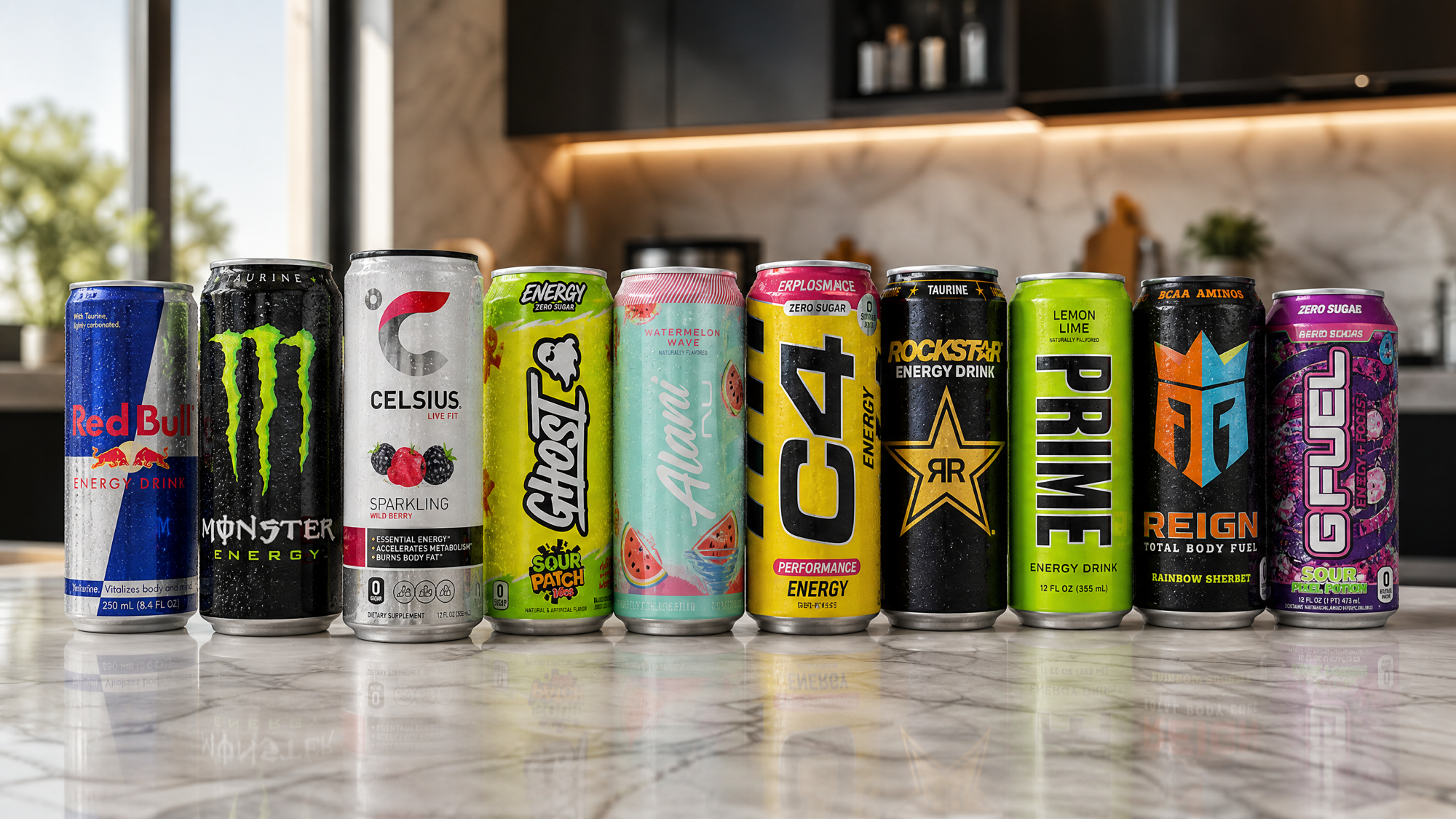
To help put the market into clear perspective, here are 10 of the most widely consumed energy drinks available today. They are organized strictly from lowest caffeine content to highest caffeine content, utilizing their standard flagship can sizes.

BrandStandard Serving SizeCaffeine ContentPrimary Sweetener Type
1. Red Bull8.4 fl oz (Small Can)80 mgSucrose & Glucose
2. Red Bull (Large)12 fl oz (Medium Can)114 mgSucrose & Glucose
3. Monster Energy (Original)16 fl oz (Tall Boy)160 mgSucrose & Glucose
4. Rockstar Energy (Original)16 fl oz (Tall Boy)160 mgSugar & High Fructose Corn Syrup
5. NOS Energy16 fl oz (Tall Boy)160 mgHigh Fructose Corn Syrup
6. Celsius12 fl oz (Slim Can)200 mgSucrose-Free (Sucralose)
7. Alani Nu12 fl oz (Slim Can)200 mgSucrose-Free (Sucralose)
8. Ghost Energy16 fl oz (Tall Boy)200 mgSucrose-Free (Sucralose)
9. C4 Energy16 fl oz (Tall Boy)200 mgSucrose-Free (Sucralose)
10. Reign Total Body Fuel16 fl oz (Tall Boy)300 mgSucrose-Free (Sucralose)

(Note: Bang Energy, which previously occupied a top spot at 300 mg, has shifted availability following its acquisition by Monster, leaving Reign as the dominant mass-market 300 mg heavy hitter).

What Are the Healthiest Energy Drinks?

Let's establish an absolute ground rule: no energy drink on this list is truly healthy or a substitute for a balanced lifestyle. They are highly processed, engineered beverages. However, if you find yourself needing to choose one to pull an emergency late shift or fuel a workout, certain formulations minimize the physiological damage far better than others.

When isolating the "healthiest" (or more accurately, the least harmful) options, we prioritize three factors: zero sugarcontrolled caffeine dosage, and the absence of toxic chemical dyes or opaque proprietary formulas.

Based on these parameters, here are the top choices:

1. Celsius

Celsius takes the top spot as the least harmful option for a few vital reasons:

  • The Sugar Profile: It contains zero grams of sugar, sparing your body from a devastating insulin surge and metabolic crash.
  • Cleaner Labeling: It completely avoids artificial preservatives, high-fructose corn syrup, and synthetic chemical colorings.
  • Natural Influences: The caffeine blend is pulled from natural sources, including green tea extract and guarana seeds, which enter your system slightly more smoothly than pure synthetic caffeine anhydrous. It also includes ginger root extract, which can mitigate some of the stomach irritation commonly caused by carbonated stimulants.

2. Alani Nu

Alani Nu scores highly because it successfully balances a cleaner chemical profile with a controlled, modern volume size:

  • Volume Control: By capping their cans at 12 ounces instead of the massive 16-ounce standard, you consume less fluid volume loaded with chemical sweetening agents.
  • Clean Formulation: It features zero sugar, very low sodium, and leaves out the hyper-aggressive herbal stimulant blends (like ginkgo biloba) that older brands use to artificially inflate their effects.
  • Transparency: It is simple, clear, and provides a clean dose of daily B-vitamins without turning the drink into an experimental chemistry lab.

3. Ghost Energy

While Ghost targets a very young, vibrant demographic with candy-themed partnerships, its internal engineering is surprisingly robust from a health-conscious standpoint:

  • 100% Transparent Labeling: Ghost is one of the few mainstream brands that rejects the concept of a "proprietary energy blend." The back of the can lists the exact milligram breakdown of every single active ingredient, from the taurine to the neuro-nutrients.
  • No Artificial Dyes: Despite flavors modeled after bright candies like Sour Patch Kids, the liquid itself pours completely clear because Ghost refuses to use synthetic food coloring agents that have been linked to behavioral hyper-activity and gut irritation.
  • Metabolic Safety: It has zero sugar and zero carbs, relying on highly purified sweeteners that don't disrupt blood glucose levels.

Summary and Key Takeaways

The energy drink market has evolved dramatically, shifting away from the sugary sodas of the past toward highly concentrated, zero-sugar performance liquids. However, a sugar-free label does not mean a beverage is harmless. Navigating this landscape safely requires viewing these drinks not as casual refreshments, but as potent over-the-counter tools that must be used with caution.

Quick Takeaways for Navigating the Energy Drink Market

  • Audit Your Caffeine Volumetrics: Keep a strict mental tally of your intake. The FDA sets the safe daily limit for healthy adults at 400 mg. If you drink a single high-stimulant option like Reign (300 mg), you have almost entirely exhausted your allowance for the day in a matter of minutes.
  • Banish the Sugar Bombs: Check the back label specifically for "Added Sugars." Avoid legacy cans of Monster, Rockstar, or NOS that pack 50 to 60 grams of sugar per serving. The metabolic tax is simply too high.
  • Beware the 12 PM Cutoff: Because high doses of caffeine have an average half-life of 5 to 7 hours, an energy drink consumed at 3:00 PM is still actively circulating in your brain at midnight. Cut off all energy drinks by noon to shield your sleep architecture from destruction.
  • Never Mix with Alcohol: Mixing co-acting depressants (alcohol) and stimulants (energy drinks) dulls your brain's natural ability to track how intoxicated you are. This leads to dangerous levels of alcohol poisoning and puts immense, erratic stress on your cardiovascular system.
  • Hydrate in Parallel: For every can of energy drink you consume, force yourself to drink an equal volume of pure water. This helps protect your kidneys, flushes out extra synthetic vitamins, and wards off stimulant-induced dehydration.
  • Ultimately, authentic energy cannot be manufactured inside an aluminum can. True, sustainable vitality is a byproduct of consistent hydration, a nutrient-dense whole-food diet, regular physical movement, and high-quality sleep. Treat energy drinks as a rare, intentional tool for exceptional circumstances—not an everyday foundation for life.

Frequently Asked Questions (FAQ)

Are sugar-free energy drinks healthy?

No, sugar-free energy drinks are not entirely healthy. While they eliminate the empty calories and blood sugar spikes associated with regular energy drinks, they still contain high amounts of caffeine and artificial additives. These ingredients can still cause heart strain, anxiety, and sleep disruption if consumed regularly.

How much caffeine is in an energy drink compared to coffee?

A standard 8-ounce cup of brewed coffee contains roughly 90–100 mg of caffeine. In comparison, a classic 8.4-ounce Red Bull has 80 mg, while popular 16-ounce fitness energy drinks like Ghost, Celsius, or Reign contain between 200 mg and 300 mg of caffeine per can.

What are the side effects of drinking energy drinks daily?

Daily consumption of energy drinks can lead to chronic side effects, including increased blood pressure, heart palpitations, chronic insomnia, heightened anxiety, headaches, and digestive issues. Over time, sugar-loaded options can also significantly increase the risk of type 2 diabetes and tooth decay.

What is the absolute safest energy drink?

There is no "perfectly safe" commercial energy drink, but options like Celsius, Alani Nu, and Ghost are considered the least harmful. They are sugar-free, avoid artificial food dyes, and provide transparent ingredient labels, making it easier to manage your stimulant intake. For a truly natural alternative, consider unsweetened green tea or black coffee.

If you are tired of playing guessing games, constantly feeling overwhelmed, and failing in your nutrition and health goals we are happy to help.

Our Custom Programs and Coaching help our clients to achieve a body they are confident in while still becoming more strong and capable.

With us you can finally get the expert guidance and accountability you have always needed!

Click here to apply for Coaching and get started on your journey to finally hit your goals today!