

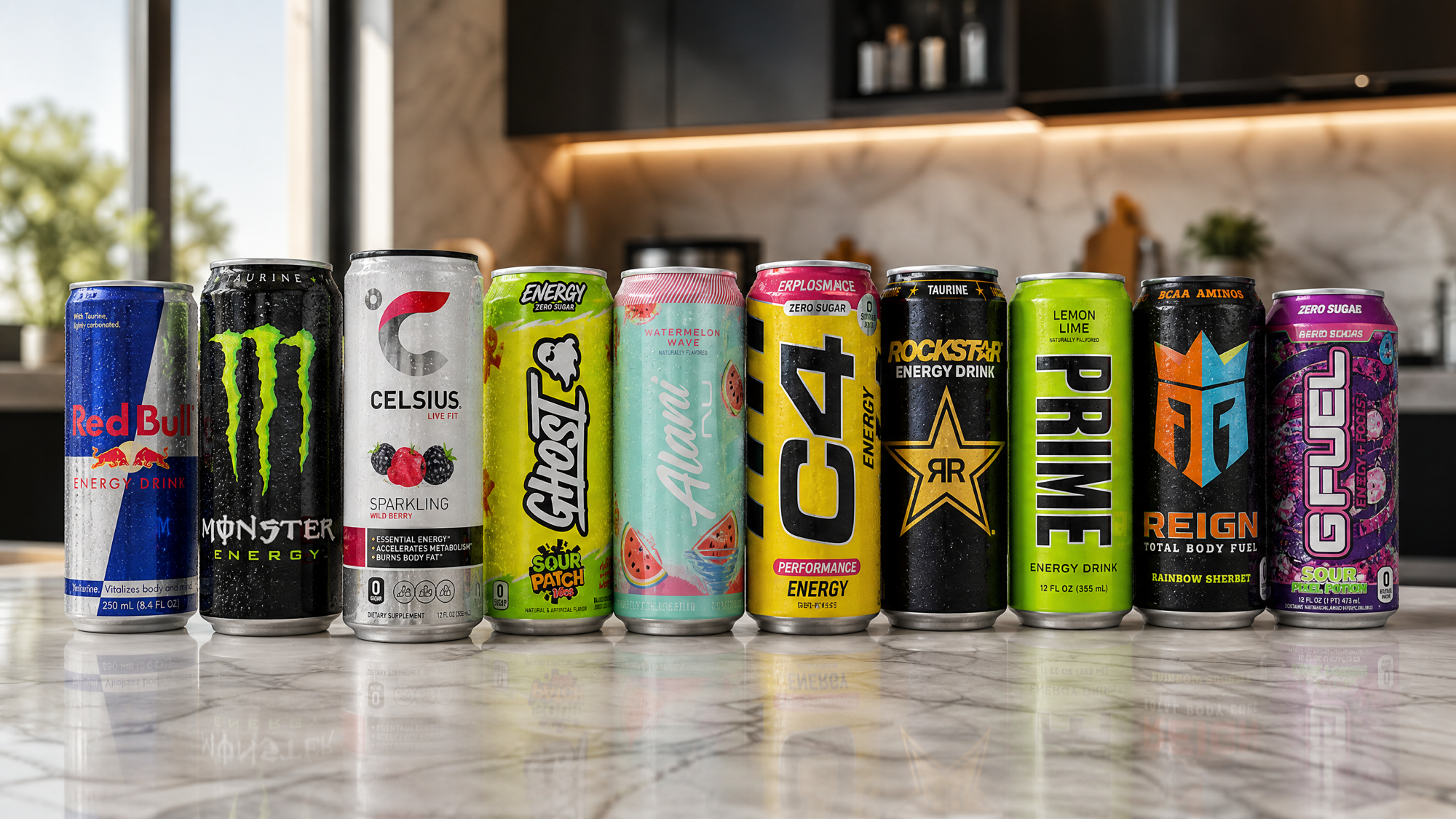
Walk into any convenience store or supermarket, and you are immediately confronted by a towering wall of brightly colored aluminum cans. Boasting names that evoke explosive force, scientific breakthrough, or extreme performance, energy drinks have officially transitioned from a niche subculture of athletes and gamers into a multi-billion-dollar global phenomenon. They are now an everyday routine for millions of working adults and students looking to conquer the daily grind.
But beneath the flashy branding and promises of heightened cognitive focus lies a complex cocktail of stimulants, synthetic additives, and heavily processed sugars. While they do exactly what they promise—shaking awake a tired brain and providing a fast physical jolt—the biological trade-offs are significant.
Are energy drinks safely engineered productivity tools, or are they a modern public health hazard packaged in an appealing 16-ounce can? To answer that, we must peel back the label and look at the exact science of what we are drinking, rank the market’s heavy hitters, and map out how to navigate this liquid minefield.
What is an Energy Drink?
At its core, an energy drink is a non-alcoholic functional beverage specifically formulated to provide mental and physical stimulation. Unlike sports drinks (such as Gatorade or Powerade), which are designed to replenish fluids and electrolytes lost during intense sweat sessions, energy drinks are strictly performance enhancers designed to temporarily ward off fatigue.
The modern energy drink landscape is divided into two major eras:
- The Legacy Era: Pioneered by brands like Red Bull, Monster, and Rockstar in the late 1990s and early 2000s, these drinks traditionally leaned into a formula of high sugar, high caffeine, and aggressive, counter-culture marketing.
- The Fitness and Performance Era: Driven by newer companies like Celsius, Ghost, and Alani Nu, this generation markets itself as "clean" fitness fuels or cognitive enhancers. They are usually completely sugar-free and packed with vitamins, fat burners, or focus-enhancing chemical compounds.
Regardless of whether a can features edgy graphics or clean, minimalist wellness branding, they all share a singular goal: introducing a massive spike of stimulants directly into your central nervous system.
Deconstructing the Liquid: What Ingredients Are in Energy Drinks?
Flip any energy drink around to read the ingredient panel, and you will find an intimidating block of text. While every company guards their "proprietary blends" fiercely, almost all energy drinks rely on the same core group of building blocks to force your body into an alert state.
1. Caffeine (The Core Driver)
Caffeine is the undisputed engine of the energy drink. It functions as a central nervous system stimulant by chemically binding to your brain’s adenosine receptors. Adenosine is the natural compound that builds up in your brain throughout the day, signaling to your body that it is tired. By blocking these receptors, caffeine tricks your brain into thinking it is completely rested. Energy drinks utilize both synthetic caffeine (cheap and fast-acting) and natural caffeine derived from green tea or coffee beans.
2. Massive Doses of Sugar (or Artificial Sweeteners)
In traditional energy drinks, sugar acts as a secondary fuel source. It provides a fast caloric burst that works in tandem with caffeine. However, because modern consumers are increasingly wary of metabolic issues, many brands have swapped sucrose and high-fructose corn syrup for intense artificial sweeteners like sucraloseand acesulfame potassium (Ace-K).
3. Taurine
Taurine is an amino acid that naturally occurs in the human body, particularly in the brain, heart, and skeletal muscles. It plays a key role in neurological development and regulating water and mineral levels in the blood. In energy drinks, it is included because some early research suggests it supports athletic endurance and, paradoxically, acts as a mild nervous system calmer to take the jittery edge off the massive doses of caffeine.
4. Guarana Extract
Guarana is a plant native to the Amazon basin, and its seeds contain about four times the concentration of caffeine found in coffee beans. This is a critical ingredient to watch: when a company lists guarana extract on the label, they are adding an extra layer of unquantified caffeine into the beverage that might not be fully accounted for in the primary caffeine total.
5. B-Vitamin Complexes
Energy drinks are regularly fortified with jaw-dropping percentages of B-vitamins—specifically Vitamin B6 (pyridoxine) and Vitamin B12 (cobalamin). It is incredibly common to see a label boasting 100% to 500% of your daily recommended intake. While B-vitamins are vital for converting food into cellular energy, consuming them via a beverage doesn't grant bonus energy; if your body already has enough B-vitamins, it simply filters the excess out through your urine.
6. Amino Acids and Nootropics
The newest wave of drinks includes compounds like L-Carnitine (which helps transport fatty acids into cells to be burned for energy), BCAAs (branched-chain amino acids for muscle recovery), and nootropics like Alpha-GPC or L-Theanine, which are designed to enhance memory, focus, and executive cognitive functioning.
What Are the Health Risks of Energy Drinks
Because energy drinks bypass the natural, slower digestion process of a warm beverage like coffee or tea, they hit your bloodstream with intense speed. Consuming them regularly or in large volumes introduces a clear set of physiological risks.
Cardiovascular Strain
The most immediate and critical risk associated with energy drinks lands directly on the heart. The heavy combination of caffeine and secondary stimulants like guarana forces the heart muscle to contract harder and faster. This elevates blood pressure and can trigger arrhythmias (irregular heartbeats), palpitations, and in severe cases, sudden cardiac events. This is especially true for young adults who may have underlying, undiagnosed structural heart conditions.
The Insulin Crash and Metabolic Harm
For versions that are not sugar-free, the sheer volume of sugar is hazardous. A single 16-ounce classic energy drink can dump up to 60 grams of pure sugar into your digestive tract. This forces the pancreas to pump out massive amounts of insulin to clear the glucose from your blood. The result is a sharp, aggressive energy crash within 90 minutes, accompanied by long-term risks of developing insulin resistance, type 2 diabetes, and visceral fat accumulation.
Central Nervous System Overdrive
Because energy drinks are consumed cold and fast, the rapid onset of 200 mg or more of caffeine can completely overwhelm your central nervous system. This manifests as acute anxiety, muscle tremors, irritability, and panic attacks. Furthermore, consuming these beverages past midday severely disrupts your circadian rhythm, reducing deep REM sleep and locking you into a vicious cycle where you need another energy drink the next morning just to function.
Kidney and Liver Taxing
Filtering out high concentrations of synthetic vitamins, artificial dyes (like Red 40 or Yellow 5), and chemical preservatives puts a chronic processing burden on your liver and kidneys. Furthermore, caffeine is a natural diuretic; if you are using energy drinks to power through a hot workout or a grueling shift without drinking adequate water, you are setting the stage for chronic dehydration and potential kidney stones.
Popular Energy Drinks Ranked by Caffeine Content
To help put the market into clear perspective, here are 10 of the most widely consumed energy drinks available today. They are organized strictly from lowest caffeine content to highest caffeine content, utilizing their standard flagship can sizes.
| Brand | Standard Serving Size | Caffeine Content | Primary Sweetener Type |
| 1. Red Bull | 8.4 fl oz (Small Can) | 80 mg | Sucrose & Glucose |
| 2. Red Bull (Large) | 12 fl oz (Medium Can) | 114 mg | Sucrose & Glucose |
| 3. Monster Energy (Original) | 16 fl oz (Tall Boy) | 160 mg | Sucrose & Glucose |
| 4. Rockstar Energy (Original) | 16 fl oz (Tall Boy) | 160 mg | Sugar & High Fructose Corn Syrup |
| 5. NOS Energy | 16 fl oz (Tall Boy) | 160 mg | High Fructose Corn Syrup |
| 6. Celsius | 12 fl oz (Slim Can) | 200 mg | Sucrose-Free (Sucralose) |
| 7. Alani Nu | 12 fl oz (Slim Can) | 200 mg | Sucrose-Free (Sucralose) |
| 8. Ghost Energy | 16 fl oz (Tall Boy) | 200 mg | Sucrose-Free (Sucralose) |
| 9. C4 Energy | 16 fl oz (Tall Boy) | 200 mg | Sucrose-Free (Sucralose) |
| 10. Reign Total Body Fuel | 16 fl oz (Tall Boy) | 300 mg | Sucrose-Free (Sucralose) |
(Note: Bang Energy, which previously occupied a top spot at 300 mg, has shifted availability following its acquisition by Monster, leaving Reign as the dominant mass-market 300 mg heavy hitter).
What Are the Healthiest Energy Drinks?
Let's establish an absolute ground rule: no energy drink on this list is truly healthy or a substitute for a balanced lifestyle. They are highly processed, engineered beverages. However, if you find yourself needing to choose one to pull an emergency late shift or fuel a workout, certain formulations minimize the physiological damage far better than others.
When isolating the "healthiest" (or more accurately, the least harmful) options, we prioritize three factors: zero sugar, controlled caffeine dosage, and the absence of toxic chemical dyes or opaque proprietary formulas.
Based on these parameters, here are the top choices:
1. Celsius
Celsius takes the top spot as the least harmful option for a few vital reasons:
- The Sugar Profile: It contains zero grams of sugar, sparing your body from a devastating insulin surge and metabolic crash.
- Cleaner Labeling: It completely avoids artificial preservatives, high-fructose corn syrup, and synthetic chemical colorings.
- Natural Influences: The caffeine blend is pulled from natural sources, including green tea extract and guarana seeds, which enter your system slightly more smoothly than pure synthetic caffeine anhydrous. It also includes ginger root extract, which can mitigate some of the stomach irritation commonly caused by carbonated stimulants.
2. Alani Nu
Alani Nu scores highly because it successfully balances a cleaner chemical profile with a controlled, modern volume size:
- Volume Control: By capping their cans at 12 ounces instead of the massive 16-ounce standard, you consume less fluid volume loaded with chemical sweetening agents.
- Clean Formulation: It features zero sugar, very low sodium, and leaves out the hyper-aggressive herbal stimulant blends (like ginkgo biloba) that older brands use to artificially inflate their effects.
- Transparency: It is simple, clear, and provides a clean dose of daily B-vitamins without turning the drink into an experimental chemistry lab.
3. Ghost Energy
While Ghost targets a very young, vibrant demographic with candy-themed partnerships, its internal engineering is surprisingly robust from a health-conscious standpoint:
- 100% Transparent Labeling: Ghost is one of the few mainstream brands that rejects the concept of a "proprietary energy blend." The back of the can lists the exact milligram breakdown of every single active ingredient, from the taurine to the neuro-nutrients.
- No Artificial Dyes: Despite flavors modeled after bright candies like Sour Patch Kids, the liquid itself pours completely clear because Ghost refuses to use synthetic food coloring agents that have been linked to behavioral hyper-activity and gut irritation.
- Metabolic Safety: It has zero sugar and zero carbs, relying on highly purified sweeteners that don't disrupt blood glucose levels.
Summary and Key Takeaways
The energy drink market has evolved dramatically, shifting away from the sugary sodas of the past toward highly concentrated, zero-sugar performance liquids. However, a sugar-free label does not mean a beverage is harmless. Navigating this landscape safely requires viewing these drinks not as casual refreshments, but as potent over-the-counter tools that must be used with caution.
Quick Takeaways for Navigating the Energy Drink Market
- Audit Your Caffeine Volumetrics: Keep a strict mental tally of your intake. The FDA sets the safe daily limit for healthy adults at 400 mg. If you drink a single high-stimulant option like Reign (300 mg), you have almost entirely exhausted your allowance for the day in a matter of minutes.
- Banish the Sugar Bombs: Check the back label specifically for "Added Sugars." Avoid legacy cans of Monster, Rockstar, or NOS that pack 50 to 60 grams of sugar per serving. The metabolic tax is simply too high.
- Beware the 12 PM Cutoff: Because high doses of caffeine have an average half-life of 5 to 7 hours, an energy drink consumed at 3:00 PM is still actively circulating in your brain at midnight. Cut off all energy drinks by noon to shield your sleep architecture from destruction.
- Never Mix with Alcohol: Mixing co-acting depressants (alcohol) and stimulants (energy drinks) dulls your brain's natural ability to track how intoxicated you are. This leads to dangerous levels of alcohol poisoning and puts immense, erratic stress on your cardiovascular system.
- Hydrate in Parallel: For every can of energy drink you consume, force yourself to drink an equal volume of pure water. This helps protect your kidneys, flushes out extra synthetic vitamins, and wards off stimulant-induced dehydration.
- Ultimately, authentic energy cannot be manufactured inside an aluminum can. True, sustainable vitality is a byproduct of consistent hydration, a nutrient-dense whole-food diet, regular physical movement, and high-quality sleep. Treat energy drinks as a rare, intentional tool for exceptional circumstances—not an everyday foundation for life.
Frequently Asked Questions (FAQ)
Are sugar-free energy drinks healthy?
No, sugar-free energy drinks are not entirely healthy. While they eliminate the empty calories and blood sugar spikes associated with regular energy drinks, they still contain high amounts of caffeine and artificial additives. These ingredients can still cause heart strain, anxiety, and sleep disruption if consumed regularly.
How much caffeine is in an energy drink compared to coffee?
A standard 8-ounce cup of brewed coffee contains roughly 90–100 mg of caffeine. In comparison, a classic 8.4-ounce Red Bull has 80 mg, while popular 16-ounce fitness energy drinks like Ghost, Celsius, or Reign contain between 200 mg and 300 mg of caffeine per can.
What are the side effects of drinking energy drinks daily?
Daily consumption of energy drinks can lead to chronic side effects, including increased blood pressure, heart palpitations, chronic insomnia, heightened anxiety, headaches, and digestive issues. Over time, sugar-loaded options can also significantly increase the risk of type 2 diabetes and tooth decay.
What is the absolute safest energy drink?
There is no "perfectly safe" commercial energy drink, but options like Celsius, Alani Nu, and Ghost are considered the least harmful. They are sugar-free, avoid artificial food dyes, and provide transparent ingredient labels, making it easier to manage your stimulant intake. For a truly natural alternative, consider unsweetened green tea or black coffee.
If you are tired of playing guessing games, constantly feeling overwhelmed, and failing in your nutrition and health goals we are happy to help.
Our Custom Programs and Coaching help our clients to achieve a body they are confident in while still becoming more strong and capable.
With us you can finally get the expert guidance and accountability you have always needed!
Click here to apply for Coaching and get started on your journey to finally hit your goals today!
No Comments.